Essential Listed Building Roofing Considerations for Homeowners in Bearsden
If you own a listed property in Bearsden or the surrounding West of Scotland, you will know that maintaining the roof is not a straightforward job. The original materials, the age of the structure, and the planning controls all add layers of complexity. I have seen many homeowners underestimate what is involved, and the consequences can be expensive. Understanding the basics of listed building roofing can save you time, money, and a great deal of stress.
The Unique Challenges of Older Roofs
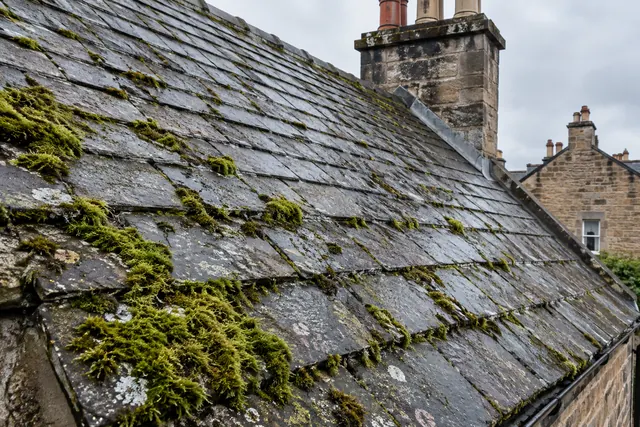
Listed buildings in this part of Scotland often feature natural slate from local quarries. That stone has a specific colour, texture, and weathering pattern that modern slate tiles cannot replicate. When you need roof repair, it is not simply a case of replacing broken slates with whatever is available at the builders merchant. You have to source matching natural slate, and that can be a hunt across specialist suppliers such as Scotts Roofing Supplies. Even then, you might need to salvage old slates from a demolition yard to keep the roof looking consistent.
The roof structure itself can also be deceptive. Many older roofs were built with green timber that has now dried and twisted over decades. Roof insulation was not a consideration when these houses were built, so adding modern insulation without compromising the roof's breathing ability is a careful balancing act. If you block the airflow, you risk trapping moisture in the timber, which leads to rot. That is why counter battening is often specified for listed building roofing projects. It creates a ventilation gap above the insulation and below the slate, allowing the structure to dry out naturally.
Materials That Matter
Slate is the obvious starting point, but there is more to the roof than the visible tiles. Lead flashing is a traditional material that is still the best choice for valleys, chimneys, and abutments. It weathers into a soft grey that blends with the roof, and it lasts for decades when installed correctly. Some modern alternatives exist, but planning officers in Glasgow and Edinburgh usually insist on lead for listed properties because it matches the original appearance.
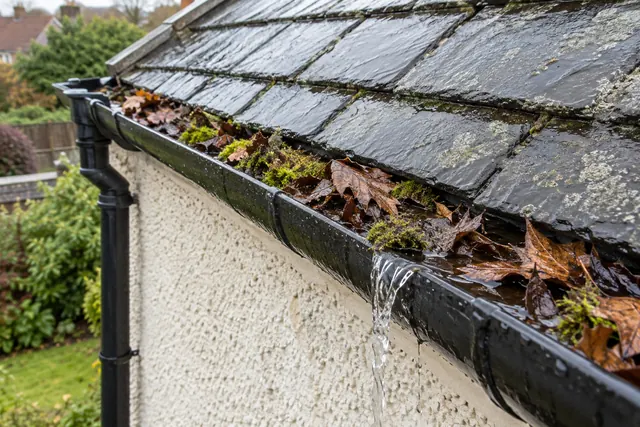
Ridge tiles are another detail that catches people out. Original clay or stone ridges have a distinct profile. Replacing them with standard concrete ridges can harm the character of the building and may even breach building regulations. The same applies to guttering. Old cast iron gutters have a specific shape and a certain depth. Plastic replacements look cheap and out of place. Many homeowners in Bearsden have had to remove plastic guttering and replace it with cast iron replicas after a routine building control inspection flagged the change.
For flat roof sections, the traditional approach was lead or asphalt. Both are skills that fewer roofing contractors now have. Modern GRP and roofing felt systems are durable and cheaper, but they can be unacceptable on a listed building if they alter the roof's appearance. I have seen cases where a homeowner had to rip out a new GRP flat roof and pay for a lead one because the conservation officer ruled against the change. The lesson is to check before you start.
Regulations You Cannot Ignore
Listed building consent is separate from planning permission. It covers any work that affects the character of the building, including the roof. That means even routine roof repair can require consent if you are changing materials or altering the structure. The local authority conservation team will want to see samples of the proposed slate, details of the lead flashing, and evidence that the ridge tiles are a match. They may also ask for a heritage statement to justify why the work is needed.
Building regulations come into play as well. The Scottish building standards apply to all work, including structural strengthening, fire safety, and insulation. You cannot simply patch a roof without considering the whole system. For example, if you replace the roof covering, you might also have to upgrade the roof insulation to meet current thermal standards. That is where counter battening becomes essential again. It lets you add insulation without raising the roof level, which is often the simplest way to satisfy both conservation and energy requirements.
Navigating these rules is not impossible, but it does require a methodical approach. Talk to the conservation officer early. Ask them what they expect. Get their comments in writing if possible. Then find a roofing contractor who has experience with listed buildings. The directory on centralscotlandtradesmen.co.uk can connect you with local roofers who understand the West of Scotland's particular mix of sandstone, slate, and tenement roofs. A contractor who knows the local building control officers and the typical conditions they impose is worth their weight in lead.
Practical Steps for a Successful Project
Start with a thorough inspection. Look for slipped slates, cracked ridge tiles, lifted lead flashing, and blocked guttering. Water ingress is the most common cause of damage in older roofs, and small leaks can rot the roof structure surprisingly quickly. If you have a flat roof, check the roofing felt or asphalt for blisters and splits. Pay attention to the valleys and the chimney flashings, as these are weak points.
Once you have a list of defects, prioritise the work. Urgent leaks need immediate attention, but full replacement should wait until you have consent. For smaller repairs, you can often do them under a minor works application or a certificate of lawfulness if the materials match exactly. Your contractor should know the difference.
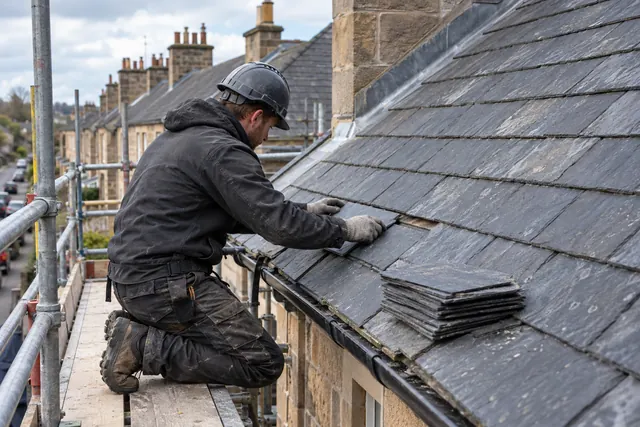
Choose your materials carefully. Natural slate from a Scottish quarry is the ideal, but it is expensive and can have long lead times. If you cannot get an exact match, consider using salvaged slate from a demolition site. The colour variation in old slate is part of its charm, and mixing salvaged slates with new ones can give a more authentic look than a perfect match of modern slate tiles. For lead flashing, use code 4 or code 5 lead depending on the exposure of the site. West of Scotland weather can be harsh, so the heavier lead code is often better for valleys and large chimneys.
Think about the guttering and downpipes too. Old cast iron gutters might need replacing, but you can buy reproduction sections that match the original profile. Plastic is not an option on a listed building unless it is hidden from view. Even then, the building regulations may require metal for fire resistance in certain tenement situations. Check with your contractor before ordering.
Working With Roofing Contractors
Not all roofers are comfortable with listed building roofing. The skills required for natural slate, lead welding, and heritage joinery are different from modern concrete tile installation. When you look for a contractor, ask about their experience with listed properties. Ask for references and photos of previous work. A good roofer will show you examples of lead soakers, secret gutters, and complex valley details. They will also be willing to work with the conservation officer and submit the necessary paperwork.
The directory on centralscotlandtradesmen.co.uk lists roofers who serve Bearsden and the surrounding areas, including Glasgow and Edinburgh. Many of them have done heritage work in the New Town tenements and the Victorian villas of the West End. They know the local building regulations and the typical conditions that the council imposes. That local knowledge can speed up the consent process and reduce the risk of costly mistakes.
One piece of advice I would offer is to visit a completed job. See the roof up close. Look at the quality of the slating, the neatness of the lead work, and the condition of the ridge tiles. A well-done listed building roofing job should look like it has always been there. The slates should lie flat, the lead should be dressed neatly, and the guttering should run true. If the roofer is proud of their work, they will happily show you.
The Cost Reality
Listed building roofing costs more than standard roofing. Natural slate is more expensive than concrete tiles. Lead flashing costs several times what lead substitute or flashing tape costs. The labour is slower because each slate is fixed individually, and lead requires skilled welding. You might also need scaffolding that protects the building fabric, which adds to the cost. Budget for at least fifty percent more than a modern roof of the same size. It is a significant investment, but it protects the value of your property and avoids the fines and enforcement notices that come from unapproved alterations.
If you are planning a full roof replacement, factor in the cost of upgrading roof insulation and possibly adding counter battening. The energy savings will offset some of the cost over time, but the upfront figure can be daunting. Get three quotes from different contractors and compare not just the price but the specification. The cheapest quote may skip the counter battening or use a cheaper lead substitute, which could fail a conservation inspection.
In my experience, the best approach is to treat the roof as a long-term investment. Use the best materials you can afford, work with a contractor who respects the building's history, and follow the regulations even when they seem tedious. The result will be a roof that lasts another century and a house that retains its character. That is the real value of good listed building roofing.
Corrections
Spot something wrong? Send it to the desk and it gets fixed in the open.